The name is Kevin Hatton and here is my diabetes story. I’ll tell you my running story, too.
We’re going to start in the early aughts, in the latter years of high school. I was a frumpy, slender teenager and began to experience what I now know are symptoms indicating diabetes. I was always thirsty, which coincided with frequent trips to the bathroom and I never had any energy.
Even though I have a robust family history of diabetes, no one ever really talked about it. I, nor my parents, had any presence of mind to think there might be something wrong with me. When I went off to college and the symptoms worsen, we reasoned the air in the dorm was dry and the rigors of studying (partying) were exhausting.
I turned 21 in 2007 and it was only after a long over due trip to a primary care physician did we learn that I had developed diabetes. I probably had it for a few years but I just didn’t know it or to be looking for anything. I also didn’t exactly fit the phenotype for Type 2 diabetes – I was young, possibly underweight, and despite what my lifestyle would suggest all of my other vitals were basically normal. What I did have was an extremely strong family history of diabetes and a fasting blood glucose of over 600 mg/dL. The general practitioner who diagnosed me dismissed Type 1 for reasons I can’t recall.
I want to also note here that at no point did anyone tell me or my parents that endocrinology was a thing.
This was profoundly scary time for me, I was already struggling with untreated depression and anxiety. To now add diabetes and all of its perils looming over head like a worse version of the sword of Damocles was hard to handle to say the least. The very first things my doctor told me were all the complications that can come from unmanaged blood sugars; diabetic retinopathy, when blood vessels grow and pop in the eyes causing blindness; diabetic neuropathy, or nerve damage in the hands legs or feet that can lead to amputations; compromised immune system, slow to heal and susceptible to infections.
It was a lot. If I were on my own instead of living with my parents I don’t think I wouldn’t have gotten through those first few years. Their support was paramount, thanks Mom and Dad.
A simple treatment of regulating diet and the two standard medications at the time; metformin and glipizide, appeared to be effective for a few years. My A1C never reached 7.0% and the disease had begun to feel really manageable, right up until 2010.
There are some critical details that I’m not really comfortable sharing with strangers on the internet so I will just say this. In 2010, I fell off the wagon a little bit and ended up having a medical emergency that put me in the hospital for a time. During this saga, things really went haywire. The admitting nurse practitioner re-diagnosed me as Type 1 and took me off the drugs I had stopped taking and put me on an insulin mono-therapy.
No tests or follow ups were performed at this time.
The new treatment plan was chaotic but it still took weeks for anyone to even mention a specialist, let alone refer me to one. Eventually, I did see an endocrinologist and that was when MODY was first mentioned to me. Genetic testing would be required to confirm but in the meantime we resumed metformin and glipizide treatment while severely reducing insulin to a very small basal dose. Results were mixed.
No genetic tests were performed at this time.
I’m going to make a political aside here, healthcare in this country is a purposefully constructed catastrophe of abysmal proportions. Even in 2010, after passage of the monumental Affordable Care Act and as progressive as that was, the system remains designed to exploit patients and those in need in the pursuit of ever greater profits for pharmaceuticals, insurance companies, and for-profit healthcare providers. Costs are allowed to drown consumers because the policies that should be regulating the healthcare industry are drafted by a lobby whose only interest is the bottom line and the policy makers who should see healthcare as a right not a privilege are derelict in their duty to their constituents.
Pharmaceutical, medical device, and healthcare companies insist that high prices are necessary to fund R&D and innovations but one look at CEO salaries makes obvious their claims are dubious. The 10 highest paid CEOs in each sector; Hospital, Pharma, Med-tech (including the CEO of the insulin pump manufacturer that I work for), and Insurance companies all typically see eight figure compensation packages.
The United States is supposed be the greatest and wealthiest country but the amount of medical debt is staggering while health outcomes remain abysmal compared to other wealthy countries. How can that be with all of that innovation?
End of rant.
I could not afford the genetic testing and my state subsidized insurance refused to cover any portion of it citing a lack of medical necessity. Nor could I continue to afford seeing a specialist, so it was back to GPs for me. I could of appealed to my family for help and they would have covered it without hesitation but two things were also true at the time: 1) No one expressed the clinical significance of a MODY diagnosis. Even the endocrinologist was fairly blasé about it, never suggesting it could be a game changer or even indicating it could be therapeutically important in anyway. And, 2) I didn’t care. I knew damn well why my A1C was as high as it was, and it wasn’t because the drugs weren’t working.
We carried on for a while in this manner and I came to my senses, but ultimately realized the basal insulin just wasn’t the right strategy. It was replaced in 2014 with a brand new drug in a newer class of medicines called SGLT2 inhibitors. This addition was tough, ultimately you want to be able to reduce pharmaceutical interventions not increase them, but it adding Farxiga turned out to be an important step.
The prior year is when I began my journey as a runner of ultra marathons.
It all started with a bit of bad luck and a bit of inspiration. I had been living in Boston for a short while at this point, but my middling talents as a cook weren’t able to keep me living comfortably so instead of letting an unfortunate situation turn into a dire one, I returned to Michigan.
Before taking the leap in some running shoes, I had been following the wildly impressive antics of an old college friend. I already knew he was athletic and in good shape, but I never pictured him running let alone completing the Leadville 100 in under 24 hours! There was something about that whole combination of things that somehow felt simultaneously fantastic and strangely accessible to me. That man, doing that thing did not give me the delusion that I could definitely also do that – I hadn’t run a mile since high school PE and I still smoked cigarettes all the time – but doing a hard thing like it felt somehow within reach. It was invigorating to think about.
However, I hadn’t a clue what I was doing! My first run was in a cotton t-shirt, some basketball shorts that I usually wore as PJs, and worst of all was the only pair shoes I owned; some old Vans or Converse tennis shoes. I didn’t have a watch, so I used google maps to see what a run around the neighborhood could get me and I set out with the goal of at least a mile.
It went pretty well I thought, I was able to jog for most of the first mile and ended up walking back home for another quarter mile or so. I felt pretty great about it, so I did it again the next day. I wasn’t terribly sore and I felt like I did a little more jogging than last time, so I went out again for a third day in a row.
Newbie tip: You probably shouldn’t do that.
In the first half week of my running career I nearly immobilized myself by accruing tendonitis is both patellar and both Achilles tendons. Walking or even shifting my weight was excruciating for several days, painful for a couple of weeks, and uncomfortable for more than a month.
So while I recovered, I bought running shoes.
I went down to the running store in town and picked up some Asics Cumulus as recommended by the fine folks at Hanson’s. And, this time I took a more calculated and incremental approach. By the end of the summer I would complete a 5k, one of those color runs. It was awesome.
I completed the Lansing Half Marathon the following Fall. By this time in 2014, I had started dabbling with trail running. Shortly thereafter, I made the insane leap from half marathons – I had only completed 2 and only 1 was a trail half – to a 50k in September of 2015. That was sure something, it was the Woodstock Freak 50k which you can read about here
I haven’t hardly ever looked back.
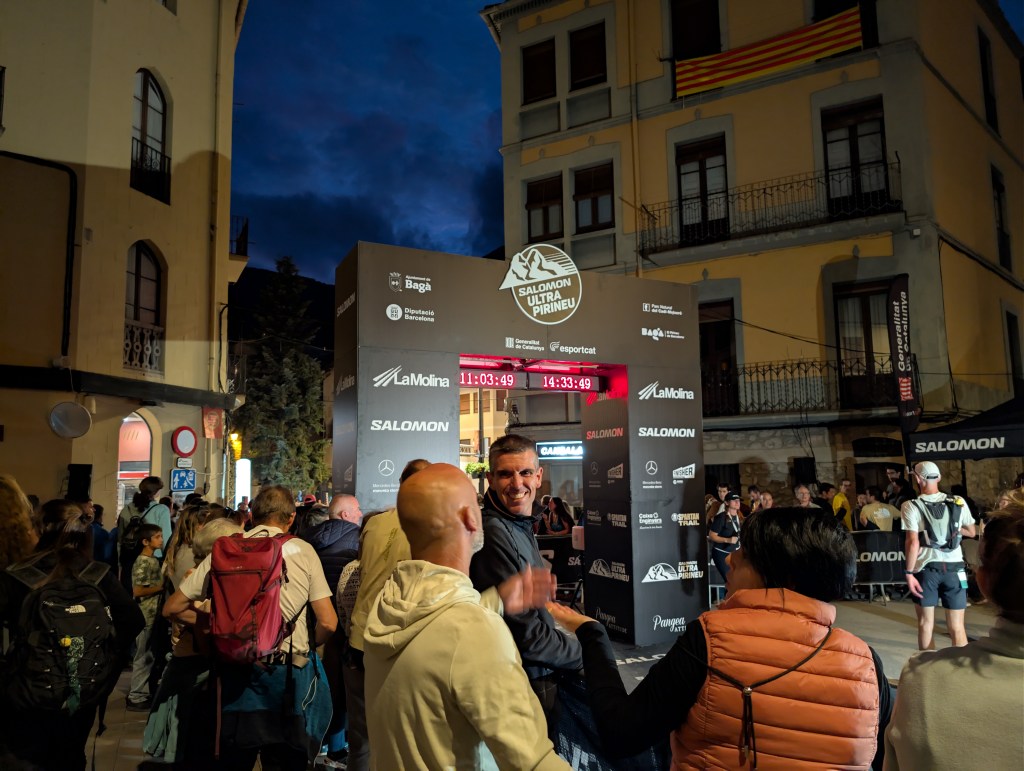
So far 50k is the farthest I’ve been able to complete, but I’ve attempted 100 miles on four occasions. My DNF list is at least as long as my Finished list but I’m really proud of myself for trying. And this certainly does not diminish what I have accomplished; back to back racing at Broken Arrow in the Sierra Nevadas and back to back racing at Ultraks Matterhorn in the Swiss Alps being the highest achievements but also some local mountain races at Mt. Toby and Ragged Mountain, and about half a dozen other Midwestern 50Ks all in less than a decade.
For a former smoker with no previous athletic prowess and a metabolic disorder, that feels pretty damn good!
Looking to the future, I maintain a lot of ambitious goals that I will certainly detail here but to close out this post for now I wish to finish with this sentiment:
You really can do anything. With enough planning and work, there really isn’t a challenge that you can’t overcome. Whether you are disadvantaged by chronic illness or other disability, or you don’t live in “the right place” or have enough money or time, there is a way to achieve your core goals one way or another.
To that point, I may never run Western States, but I will finish 100 miles. And, I’ll keep doing it just in case!

 Type 4 Fun!
Leave a comment